27 December 2025
Why Indian ATMs Often Have Two ACs
Why so many ATM cabins in India run two air conditioners, what those units are really protecting, and why this is usually a reliability decision rather than overkill.
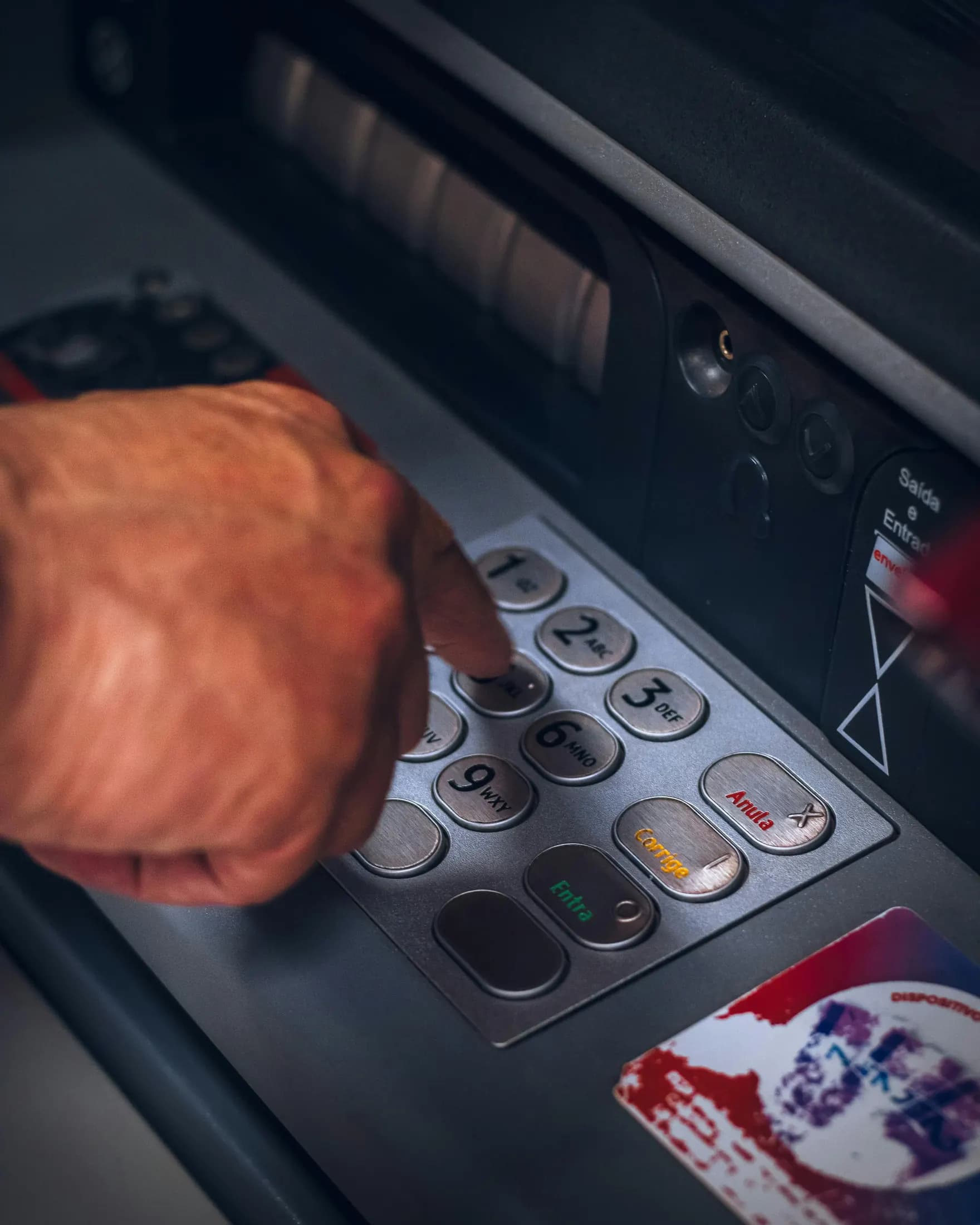
Many people notice the same thing when they step into an ATM cabin in India: two air conditioners in a very small room.
At first glance it looks excessive. The space is tiny. There are usually no more than one or two people inside at a time. So the obvious question is: why does such a small room need two ACs?
The short answer is that the ACs are not there mainly for human comfort. They are there to protect the machine, the electronics, the cash-dispensing system, the UPS, the network equipment, and the uptime of the site.
That changes the whole logic.
An ATM cabin is not a normal room
An ATM enclosure looks simple from the outside, but from an HVAC point of view it behaves more like a small equipment room than a comfort-cooling space.
Inside that space you typically have:
- the ATM machine itself
- power electronics
- UPS or backup power equipment
- network and communication hardware
- surveillance components
- lighting inside a small enclosed cabin
Even if the room is small, the internal heat load is continuous. The equipment does not only run when a customer enters. It runs all day.
That means the cooling requirement is driven less by room size and more by:
- equipment heat
- uptime requirements
- poor ventilation
- direct solar exposure
- enclosure size
In many Indian cities, especially in hot and humid conditions, an ATM cabin without reliable cooling becomes a failure-prone box very quickly.
The first reason: redundancy
This is usually the main reason.
Banks do not want ATM downtime. If a single AC fails and the cabin overheats, the ATM may begin malfunctioning, shutting down, or operating unreliably. That means customer complaints, service calls, and loss of availability.
Installing two ACs creates a basic layer of redundancy.
There are several ways this is handled in practice:
- one AC runs and the second remains as standby
- the units alternate duty to reduce wear
- both run under heavy ambient conditions
- one handles normal load and the second cuts in when temperature rises
The exact control method depends on the site and the installation standard, but the principle is the same: if one unit fails, the site should not immediately lose cooling.
For a home, an AC failure is inconvenient. For an ATM, it can shut the site down.
The second reason: continuous equipment heat
The ATM machine itself generates heat. So do the power and communication systems supporting it.
That heat is trapped inside a small cabin with poor natural ventilation. In many cases the cabin also has:
- direct glass exposure
- metal framing
- solar gain through walls or doors
- repeated door opening and closing
So the AC is not simply cooling a tiny room. It is rejecting a constant internal heat load in a space that holds heat badly.
This is why square-footage logic alone is misleading. A room can be small and still be a demanding cooling application.
The third reason: high ambient conditions
In much of India, ATM cabins are exposed to serious heat conditions, especially:
- roadside ATM kiosks
- cabins in unshaded forecourts
- glass-fronted enclosures
- top-floor or exposed wall locations
By afternoon, the heat gain can be far higher than buyers expect from the size of the room.
If the equipment inside is already generating heat, and the outside ambient is high, a single small AC can be forced to run continuously near its limit. That increases wear and leaves no margin for failure.
Two units give the operator more control and more safety.
The fourth reason: better operating life
Two ACs can reduce stress if managed properly.
Instead of one unit running at full load all day, the site can be configured so that:
- the units alternate
- operating hours are shared
- one unit supports the other only when needed
That can improve service life and reduce the chance of a sudden single-point cooling failure.
Of course, this only helps if the controls are sensible and maintenance is done properly. Two neglected ACs are not better than one maintained one. But in a properly managed ATM programme, dual-unit setup is usually a reliability strategy, not waste.
The fifth reason: service continuity
ATM sites are maintained under network-wide service models. The operator may be managing dozens or hundreds of locations. In that context, standardisation matters.
If the cooling design assumes there must always be one available backup unit, the operator can keep the site alive even when:
- one AC fails
- one unit is under service
- one unit trips due to electrical issues
- one drain line blocks
This matters because ATM service teams are not always immediately on site. Cooling redundancy buys time. HRS supports several Kerala bank branch and ATM networks under exactly this redundancy model: dual-unit alternation, AMC-led preventive servicing, and rapid-response cover so the site stays live when one unit drops.
Does every ATM need two ACs?
No.
Some ATM sites use a single correctly sized unit and operate acceptably, especially where:
- ambient conditions are milder
- enclosure heat gain is lower
- equipment density is modest
- the site has a different ventilation strategy
- uptime requirements are less strict
But many Indian ATM cabins end up with two units because the operator has learned through experience that one unit creates too much risk.
In other words, this is often a maintenance and uptime lesson built into design.
Why this matters for HVAC decision-making
ATM cabins are a good example of a broader HVAC principle:
Cooling decisions should not be based only on room size.
They should be based on:
- heat load
- operating pattern
- equipment sensitivity
- downtime consequences
- service strategy
That is why small technical rooms, server rooms, ATM cabins, and control rooms often need more careful cooling logic than much larger comfort spaces.
The room may be small. The consequence of failure is not.
The real answer
So why do Indian ATMs often have two ACs?
Because the bank is not paying for extra comfort. It is paying for:
- equipment protection
- uptime
- redundancy
- thermal stability
- fewer shutdowns
Once you view the ATM cabin as a tiny mission-critical equipment room, the second AC stops looking excessive. It starts looking practical.
Running an ATM, branch, or small mission-critical equipment room in Kerala? Hitech Refrigeration Services (HRS) designs, installs, and maintains redundant cooling for bank branches, ATM cabins, and precision-cooling sites across all 14 districts. As an authorised partner for Daikin and Carrier with 25+ years of statewide experience and ISO 9001:2015 / ISO 45001:2018 certified processes, we treat uptime as the deliverable, not just airflow. Request a quote or explore precision cooling.
Why This Matters To HRS
How HRS handles the commercial side of this topic
For offices, banks, hospitals, and similar sites, HRS works as a commercial HVAC contractor rather than a retail AC reseller. The real value is in matching system type, air distribution, serviceability, and operating expectations to the business environment.
Related Service
Commercial & Corporate HVAC SystemsNeed expert HVAC help?
Contact our team for professional installation, maintenance, or a custom consultation.