18 April 2026
Smart Summer Cooling and Refrigerator Savings Tips for Kerala Homes
Practical home cooling advice for Kerala households, including ISHRAE-style summer tips on AC settings, filter cleaning, smart usage habits, and refrigerator settings for food safety and lower electricity bills.
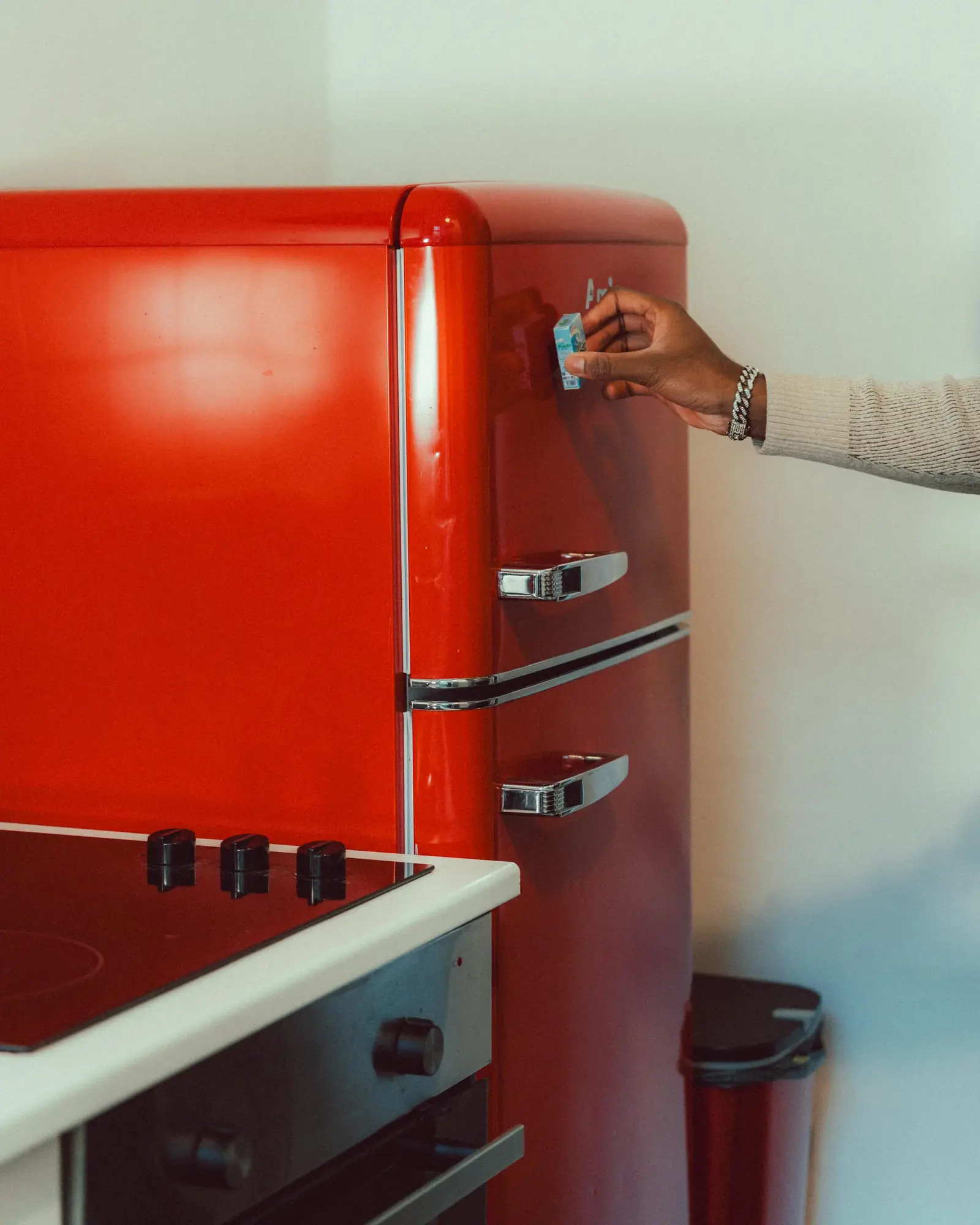
When summer gets harsher, most homes respond by dropping the AC temperature too low and leaving the fridge to run however it runs. That usually raises the electricity bill without improving comfort or food quality.
The better approach is simpler: use the AC and refrigerator more intelligently. These are practical home-level habits based on the kind of summer guidance ISHRAE has been pushing for households: maintain thermal comfort, keep airflow clean, stop cooling loss at the room boundary, and avoid making the appliance work harder than it needs to.
AC tips for every home this summer
1. Set the right temperature for thermal comfort
For most homes, 24 to 26 degrees Celsius is the sensible comfort zone. If you lower the setpoint aggressively, the room may feel colder for a while, but the electricity bill rises quickly. A widely used rule of thumb is that every 1 degree Celsius lower can add about 6 to 8 percent to your power consumption.
At night, sleep mode at 26 to 28 degrees Celsius usually makes more sense because the body cools naturally during sleep. If the room feels too cold, raise the thermostat instead of running the AC at an unnecessarily low setting and then compensating with heavier clothing indoors.
2. Clean the filters every month
Dirty filters choke airflow. Once airflow is blocked, the AC has to work harder to cool the room and electricity gets wasted in the process.
Wash the filters with mild soap and water every 3 to 4 weeks, depending on dust levels, air pollution, and usage. Let them dry completely before fitting them back.
A clean filter can improve cooling performance by roughly 10 to 15 percent, and regular cleaning also helps the AC last longer.
Quick check: hold the filter up to the light. If light barely passes through, it is time to clean it.
3. Use fan mode, timer, and ceiling fan together
The AC is not limited to one expensive operating style.
Fan-only modeuses far less electricity than full cooling mode- an
auto-off timerset 30 to 60 minutes before waking up can cut unnecessary runtime - using the
AC and ceiling fan togetheroften lets you raise the thermostat by around 2 degrees Celsius while keeping the same comfort level
That is the smarter way to cool a bedroom or living room: improve airflow instead of depending only on low temperature.
4. Seal the room before switching the AC on
An unsealed room leaks cooling quietly and constantly.
Close doors and windows before starting the AC. Light curtains on sunny windows can reduce heat gain significantly. A properly sealed room cools faster and the AC does not need to stay under heavy load for as long.
Even small gaps under doors matter. A simple door-bottom seal strip is often enough to reduce needless cooling loss.
5. Service the AC before peak summer
If the AC is already struggling in March or April, waiting until peak season usually means longer delays, higher service demand, and more discomfort.
Get the unit professionally checked before summer. A proper visit should include:
- refrigerant or gas level check
- evaporator and condenser coil inspection
- electrical and wiring check
- outdoor unit cleaning
Low gas can cause poor cooling and higher power use. Dust on the outdoor coil also reduces heat rejection badly. In many homes, a relatively small annual service cost prevents much larger losses later through wasted electricity, emergency repairs, and compressor stress.
Refrigerator tips for food quality, freshness, and energy savings
The refrigerator is easy to ignore because it runs all day in the background. But weak door seals, wrong temperatures, hot food storage, and dirty coils quietly waste electricity month after month.
1. Set the correct temperature
Food safety starts with the right temperature range.
Fridge: 3 to 5 degrees CelsiusFreezer: -15 to -18 degrees Celsius
Above 8 degrees Celsius, bacteria grows too quickly. Below 2 degrees Celsius, vegetables may begin freezing. Freezer settings colder than -18 degrees Celsius usually waste electricity without offering a meaningful household benefit.
A low-cost fridge thermometer is useful. It is better to trust the reading than the dial alone.
2. Never store hot food directly
Hot food raises the internal cabinet temperature, forces the compressor to work harder, and affects the rest of the stored food.
Let cooked food cool to room temperature first. Shallow containers help it cool faster, and covered containers help control moisture. In most homes, waiting 30 to 45 minutes after cooking is enough.
3. Check door seals regularly
If cool air is leaking out all day, the fridge keeps paying for it.
Use a simple paper test:
- close the door on a sheet of paper
- pull gently
- if it slides out too easily, the gasket may need attention
Damaged seals can quietly push electricity use much higher. One common warning sign is a fridge motor that seems to run too often.
4. Keep it stocked, but not packed tight, and clean the coils
A moderately full fridge holds temperature better because the stored items act as a thermal buffer. But overstuffing blocks air circulation and causes uneven cooling.
If the fridge is nearly empty, keeping a few water bottles inside helps stabilise the temperature. Also clean the condenser coils at the back or bottom every 6 months with a brush. Dust on those coils makes heat rejection harder and lowers efficiency.
Simple food storage guide
| Food type | Recommended temperature |
|---|---|
| Dairy and cooked food | 3 to 4 degrees Celsius |
| Raw meat and fish | Below 4 degrees Celsius, ideally for 1 to 2 days |
| Vegetables and fruits | 4 to 5 degrees Celsius |
| Frozen items | -15 to -18 degrees Celsius |
Good fridge habits can reduce waste, protect food quality, and lower electricity use at the same time.
What usually saves the most at home
- keep the AC at
24 to 26 degrees Celsius - use sleep mode sensibly at night
- clean filters every month
- use timer and ceiling fan together
- seal the room properly
- service the AC before peak summer
- keep the fridge at
3 to 5 degrees Celsius - do not put hot food straight into the fridge
- replace weak door seals early
- clean condenser coils every six months
If your AC is still not cooling properly after these basic habits are in place, the problem is usually maintenance rather than usage. That is when a proper AMC or inspection becomes worthwhile.
Contact our team if you want your AC checked before the summer rush.
Why This Matters To HRS
Where HRS fits after the first breakdown is avoided
Routine maintenance matters most before the first serious breakdown. HRS uses AMC planning, filter and coil servicing, and proper fault diagnosis to keep comfort systems from slipping into high-power, low-performance operation.
Related Service
Annual Maintenance Contracts (AMC)Need expert HVAC help?
Contact our team for professional installation, maintenance, or a custom consultation.