20 December 2025
Pets and Air Conditioning: The Complete Guide for Kerala Pet Owners
Indoor pets in Kerala mean your AC filter clogs twice as fast, your coil develops biological films faster, and your drain line is at higher risk. Here is what changes when you share your home with animals, and what temperature your pet actually needs.
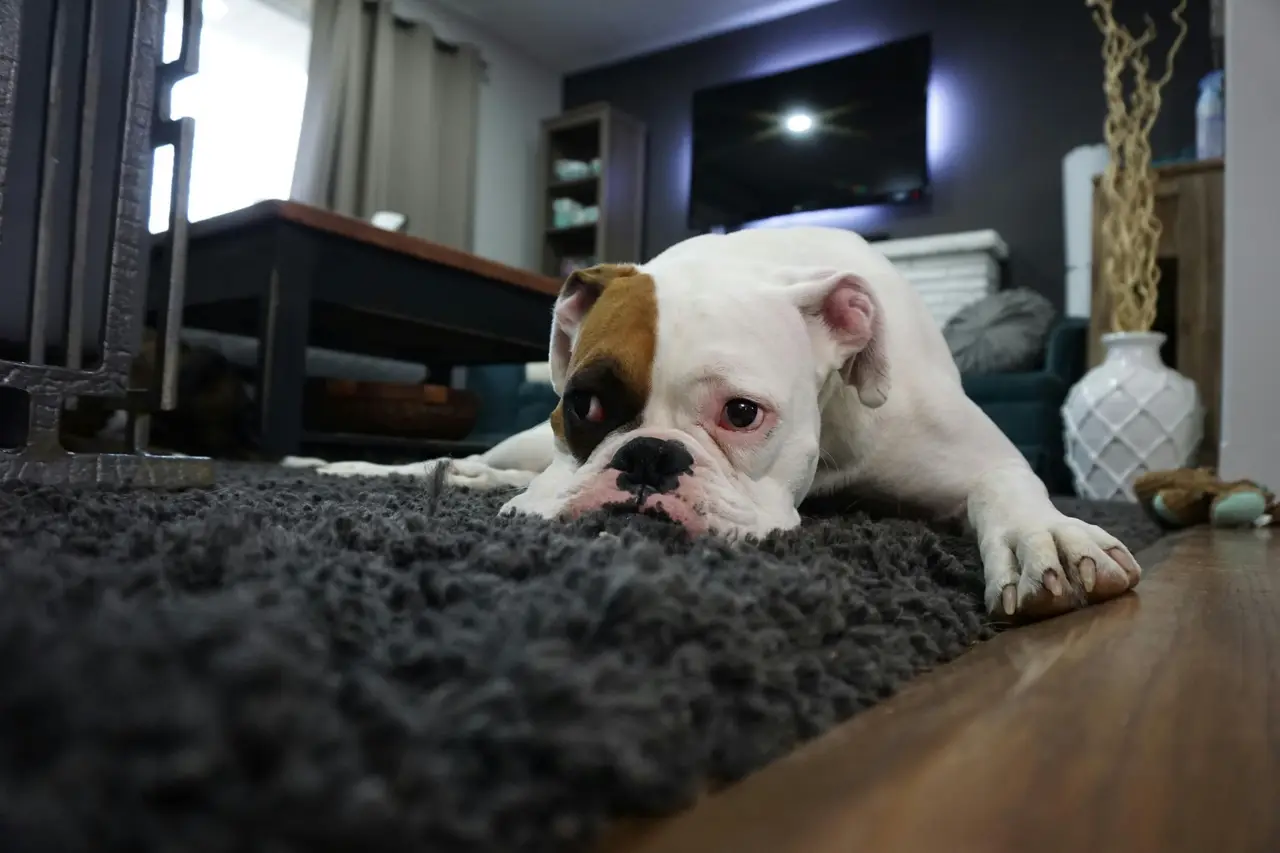
A dog or cat in the house changes the maintenance calculus for your air conditioning system in ways most pet owners do not expect. The problem is not noise, not the electricity bill, and not some vague idea that animals are "dirtier." The problem is physical: pet hair and dander load your AC's air path faster, carry oils that bond to coil surfaces differently from ordinary dust, and introduce airborne proteins that create ideal conditions for mould on cold, damp evaporator coils.
In Kerala's climate (high humidity, year-round AC use, coastal particulates) these effects are amplified. A home without pets might get away with a filter clean every three to four weeks. With one medium-sized dog or two cats, that interval should be cut in half.
How pet hair and dander affect your AC
The filter
A split AC's air filter is a mesh screen designed to catch particulate matter before it reaches the evaporator coil. Standard household dust loads this filter gradually. Pet households introduce two additional categories of debris: shed hair and dander.
Pet hair accumulates on the filter surface visibly and quickly, but it is not the primary problem: it is large enough to be caught efficiently and is easy to remove. Dander is the problem. Dander consists of microscopic flakes of dried skin protein, typically 2–10 microns in diameter, shed continuously by all mammals with fur or feathers. It is light enough to remain airborne for hours, and it passes through or bonds to filter mesh in ways that ordinary dust does not.
In a home with one medium dog (a Labrador or Golden Retriever, both common in Kerala households), the effective filter surface area that remains open to airflow drops noticeably within two weeks versus a pet-free home measured over the same period. High-shedding breeds (German Shepherds, Huskies) can clog a standard filter in under ten days during peak shedding seasons.
Recommended filter cleaning interval for pet households:
- One small dog (under 10 kg) or one to two cats: every 2 weeks
- One medium or large dog, or three or more cats: every 10–12 days
- Multiple dogs, or breeds with double coats (Husky, Pomeranian, Golden Retriever): every 7–10 days
- Birds (parrots, cockatiels) or rabbits: every 7 days. These species generate extremely fine particulate including feather dust and fur fibres.
The evaporator coil
Pet dander contains sebaceous oils (the skin secretions that coat the proteins) which behave differently on the cold, moist surface of an evaporator coil compared to inorganic dust. Ordinary dust is relatively easy to rinse off with a coil cleaner during a service visit. Dander oils are hydrophobic: they repel water and bond more stubbornly to metal surfaces, particularly aluminium fins.
This oily film acts as a trap. Subsequent airborne particles (dust, mould spores, bacteria) adhere to it more readily than they would to a clean coil surface. The result is an accelerated biofilm formation: a layer of organic matter that reduces heat transfer efficiency, causes the musty smell often misdiagnosed as a refrigerant problem, and creates a surface for mould colonisation.
In Kerala's humidity, mould on an evaporator coil is common even in pet-free homes. In pet households, it develops faster and is harder to remove without a proper chemical coil wash with an alkaline cleaner that can break down lipid-based contamination.
Coil chemical wash frequency:
- Standard Kerala home (no pets): every 6 months
- Home with cats or small dogs: every 4 months
- Home with large dogs or heavy-shedding breeds: every 3 months
- Home with birds: every 3 months. Bird dust (especially from cockatoos, cockatiels, and African Greys) is among the finest and most adhesive particulate an AC will encounter.
The drain line and drain pan
The drain pan sits beneath the evaporator coil and collects condensate: the moisture the AC removes from room air. In humid Kerala conditions, it holds standing water between drain cycles. Add pet dander and hair to this environment and you have an accelerated biological growth scenario.
Hair that passes through or around a filter and reaches the coil area tends to settle in the drain pan. In the presence of moisture, it becomes a substrate for fungal and bacterial growth. The same dander oils that accelerate coil fouling accelerate drain pan slime formation. A drain pan that might need cleaning every 6 months in a pet-free home may need attention every 3 months in a cat or dog household.
Blocked drain lines cause pan overflow. The water then tracks through the indoor unit body, down the wall, into the ceiling cavity, or into electrical connections. The repair cost for water damage to walls and ceilings typically ranges from ₹8,000–₹40,000 depending on the area affected. A drain line cleared preventively costs ₹300–₹500.
The outdoor unit
Outdoor units are less affected by pet dander than indoor units, but homes with dogs that spend time in the garden near the outdoor unit should be aware of two issues:
-
Hair ingestion: Dogs and outdoor cats that brush against or sleep near the outdoor unit introduce hair into the condenser coil fins. This accumulates and restricts airflow, increasing condensing pressure and compressor load.
-
Urine contact: Male dogs marking territory on or near an outdoor unit is not unusual. Urine is corrosive to aluminium fins and copper connections. If the outdoor unit is at ground level in an area accessible to a dog, this is a genuine long-term risk. A simple wire barrier around the unit prevents access without restricting airflow.
What a pet-household service should include
A standard AMC service covers filter cleaning, coil wash, drain flush, outdoor inspection, and electrical and refrigerant checks. In a pet household, the service interval should be shortened and two additional items become important:
-
Alkaline coil cleaner, not a standard neutral cleaner: The oily, protein-based contamination from dander responds better to alkaline chemistry. Ask your technician what coil cleaner they use. The answer should not be "whatever we have." A pet household warrants a deliberate choice.
-
Drain pan scrub: Not just a flush. A physical scrub of the drain pan with a mild biocide (or diluted bleach) removes the biofilm that allows algae and mould to re-establish quickly.
Recommended service schedule for pet households in Kerala:
| Household type | Filter clean | Full service | Comprehensive check |
|---|---|---|---|
| No pets | Every 3–4 weeks | Every 6 months | Annually |
| 1–2 cats or small dog | Every 2 weeks | Every 4 months | Annually |
| Large dog / heavy shedder | Every 10 days | Every 3 months | Annually |
| Multiple pets / birds | Every 7 days | Every 3 months | Every 6 months |
Units in rooms where pets sleep (especially beds or sofas directly beneath an indoor unit) should be considered high-load and maintained at the more frequent end of these intervals.
What temperature does your pet actually need?
This question matters practically: if your pet requires a temperature range that differs significantly from human comfort, you are either overcooling for your pet or undercooling for yourself. The answer depends heavily on species, breed, age, and coat type.
Dogs
Dogs thermoregulate primarily through panting, not sweating. Their comfort range depends on size and coat:
- Short-coated tropical breeds (Beagle, Boxer, Dobermann, Indian Pariah): comfortable between 22–28°C. In Kerala's climate, these breeds tolerate ambient temperatures better than imported northern breeds.
- Double-coated or cold-climate breeds (Husky, Malamute, German Shepherd, Golden Retriever, Labrador): these breeds were not designed for tropical conditions. Their thermoregulatory system is optimised for 15–20°C. In Kerala's 32–38°C ambient temperatures, they are under significant heat stress when AC is off. A consistent room temperature of 22–24°C is appropriate; for Huskies and Malamutes, 20–22°C is more suitable.
- Brachycephalic breeds (Pug, French Bulldog, Shih Tzu, Lhasa Apso): these breeds have compromised upper airways that reduce their ability to cool themselves through panting. They are more vulnerable to heat stress than any other dog category. Keep their environment at 22–24°C and ensure they always have access to the cooled room during Kerala summers. Heat stroke in brachycephalic breeds begins at ambient temperatures that most dogs handle without difficulty.
- Puppies and senior dogs (under 6 months or over 8 years): reduced thermoregulatory capacity at both ends of the age range. Keep at 22–24°C; avoid temperatures below 20°C for extended periods.
Cats
Cats are desert-origin animals with a higher baseline body temperature (38.5°C) than humans. They are more heat-tolerant than most dogs but still benefit from access to a cooled space in Kerala's summer months.
- Domestic short-hair and Indian breeds: comfortable up to 30°C but will seek the coolest available surface. A room at 24–26°C is adequate.
- Long-haired breeds (Persian, Maine Coon, Ragdoll): more heat-sensitive due to coat insulation. 22–24°C is appropriate during peak summer.
- Kittens and senior cats: as with dogs, more vulnerable than adults. 23–25°C is a reasonable target.
One important note: cats are strongly attracted to AC indoor units, warm compressor bodies, and critically the warm air exhaust from outdoor units. Outdoor unit enclosures should not allow a cat to enter the unit body or rest on top of the outdoor unit, both of which have happened and caused service calls.
Birds
Birds are among the most temperature-sensitive pets commonly kept in Kerala homes. Their respiratory systems are exceptionally efficient (they were historically used as air quality canaries for this reason) and this makes them highly susceptible to both temperature extremes and airborne contaminants.
- Parrots and parakeets (Budgies, Cockatiels, African Greys, Macaws): natural habitat temperature range of 20–30°C. In captivity, 22–26°C is appropriate. Avoid rapid temperature changes (more than 5°C over an hour): these stress birds significantly.
- Pigeons and doves: robust; comfortable at 18–30°C.
- Canaries and finches: sensitive; 20–25°C is ideal.
Critical: Do not place a bird cage in the direct airflow path of an AC indoor unit. Cold air blowing directly on a bird causes respiratory illness. Position the unit so that cooled air circulates the room without direct draughts on the cage. A cage near an interior wall with the AC on the opposite wall is preferable to a cage beneath or adjacent to the indoor unit.
Also relevant: many common household sprays, non-stick cookware fumes, and scented products are toxic to birds at concentrations harmless to humans. If you keep birds, ensure the room they occupy has good air exchange and is not used for cooking with non-stick pans or aerosol products.
Reptiles
Reptiles are ectothermic: they do not generate body heat and require external heat sources to maintain function. AC is therefore a risk factor, not a comfort feature, for reptile households.
- Common reptile keepers' situation: the terrarium or vivarium provides the reptile's required temperatures (typically 25–35°C with a basking spot at 35–40°C). The room temperature can be cooler, but should not drop below 22°C in the space where the terrarium is kept, as this places additional load on the terrarium heating system and creates drafts that may enter the enclosure.
- Tortoises and turtles: similar to reptiles; require warm ambient conditions. The room AC should not be directed at the enclosure.
Rabbits and guinea pigs
These are among the most heat-vulnerable common pets and are frequently underestimated.
- Rabbits have no efficient thermoregulation above 30°C and begin showing heat stress signs at 28°C. They cannot pant effectively and have limited ability to sweat. In a Kerala summer, a rabbit in a room without AC is at genuine risk of heat stroke.
- Ideal temperature range: 16–24°C. During peak summer, 20–22°C is appropriate.
- Guinea pigs: similar sensitivity; comfortable at 18–24°C.
Both species shed significantly and are strong contributors to filter loading, though less so than large dogs.
Fish and aquariums
Freshwater tropical fish (common in Kerala homes: Goldfish, Guppies, Mollies, Cichlids) require stable water temperatures typically in the 24–28°C range. Room AC affects aquarium temperature indirectly and gradually: a sudden cold room will cause gradual water temperature drops that stress fish if uncompensated.
Saltwater aquarium keepers are generally aware of this issue because temperature stability is critical to reef health. For freshwater keepers, the practical guidance is: if the room is regularly cooled below 24°C, monitor aquarium temperature and use a heater if necessary to maintain stability.
Practical summary
If you keep pets in a room with a split AC:
- Double your filter cleaning frequency relative to a pet-free home
- Shorten your coil service interval: every 3–4 months, not every 6
- Request alkaline coil cleaner from your technician, not a standard neutral product
- Check your drain line quarterly, not annually
- Keep the room at 22–24°C: this covers human comfort and the needs of most common pets; adjust toward the lower end for northern dog breeds
- Do not direct airflow at bird cages, reptile enclosures, or small animal hutches
- Fence off ground-level outdoor units if dogs have access to that area
The increased maintenance cost in a pet household (an additional one to two service visits per year) is typically ₹2,000–₹5,000. The avoided cost of a compressor failure from a persistently fouled coil running above rated conditions, or a drain overflow into a ceiling, is considerably more.
Why This Matters To HRS
How HRS turns this into a better AC decision
Home AC decisions work better when the room is sized properly, heat gain is checked, and the equipment is matched to the way the space is actually used. That is the level HRS brings to residential AC work.
Related Service
Residential Air Conditioning SolutionsNeed expert HVAC help?
Contact our team for professional installation, maintenance, or a custom consultation.