28 March 2026
Fleet Operators in Kerala: What Cooling Downtime Actually Costs
A practical guide for fleet operators on bus AC, reefer uptime, route-fit maintenance, and why cooling failures become margin problems long before they become total breakdowns.
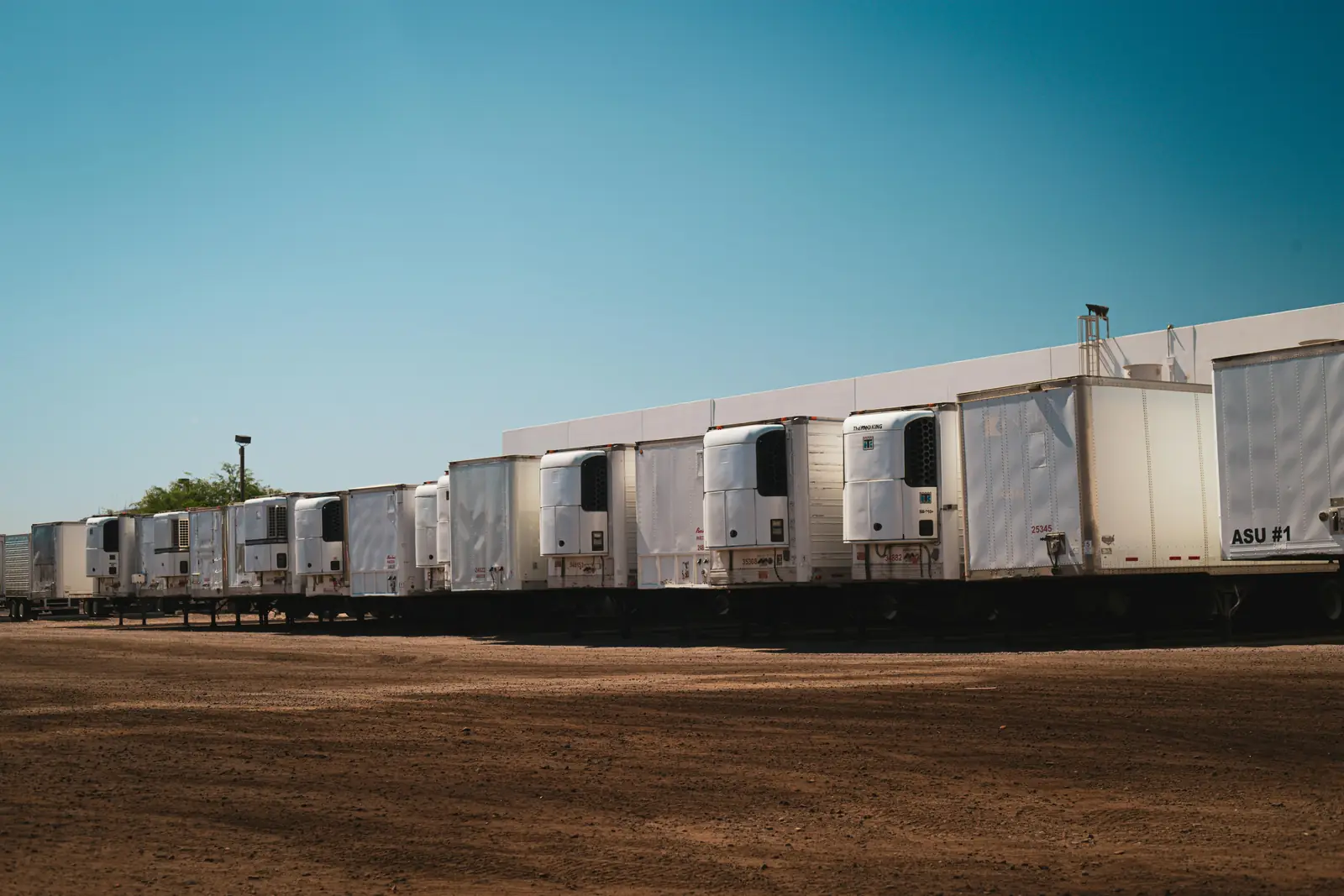
Fleet operators rarely lose money only when a vehicle stops completely.
They lose money earlier:
- a reefer unit takes too long to recover after door openings
- a bus AC system cools poorly at idle
- one vehicle keeps returning for the same complaint
- route delays start because temperature stability is unreliable
- a vehicle stays technically "running" but commercially underperforms
That is why cooling uptime is a fleet issue, not just a maintenance issue.
For operators running buses, refrigerated vehicles, or mixed utility fleets in Kerala, the problem is usually not one dramatic failure. The problem is recurring partial failure that slowly damages reliability, customer confidence, and operating margin.
Fleet cooling systems do not fail like building HVAC
Vehicle-duty cooling is harder on equipment because the operating conditions are harsher:
- vibration
- variable engine load
- road dust
- frequent stop-start movement
- open-door recovery cycles
- limited installation space
- inconsistent driver behaviour
A comfort AC unit in a building does not deal with that combination. A bus AC or reefer unit does every day.
That is why fleet operators need a different maintenance mindset from building owners.
The biggest fleet mistake: treating all cooling failures as driver complaints
This is common.
The report comes in as:
- "Bus not cooling well"
- "Reefer weak"
- "AC not enough in the afternoon"
- "Temperature not holding"
Those sound like simple symptoms, but the real causes often differ:
- condenser fouling
- weak airflow
- refrigerant loss
- door-seal problems
- overloaded route conditions
- poor preventive maintenance
- repeated operation outside realistic duty
If the fleet team treats every issue as just another complaint to be closed, the same vehicles keep re-entering the workshop without the real operating pattern being corrected.
Route profile matters more than many operators admit
A vehicle is not operating in ideal brochure conditions.
It is operating on actual routes.
For example:
Reefer vehicles
The cooling duty changes with:
- number of stops
- door opening frequency
- idle time in traffic
- cargo type
- how well the body holds insulation
Bus AC systems
Performance changes with:
- passenger load
- idle time at stops or terminals
- roof heat exposure
- filter condition
- duct airflow quality
This is why fleet cooling should always be evaluated against route behaviour, not just workshop test conditions.
Partial failure is where profit usually leaks
Fleet operators often notice only the extreme version of failure:
- spoiled cargo
- passenger complaints
- total breakdown
- emergency callout
But the more expensive long-term problem is partial failure:
- more diesel or power consumption
- slower pull-down
- longer recovery after loading
- more wear on the unit
- extra repeat visits
- a vehicle that remains on fleet but contributes avoidable operating drag
That kind of underperformance is easy to normalise, especially in a large fleet.
Mixed fleets create a maintenance discipline problem
This is especially true when an operator has:
- multiple reefer brands
- different bus AC systems
- vehicles of different ages
- varying body conditions
Without structured records, the fleet ends up relying on memory and urgency:
- which vehicle fails most often
- which route damages units fastest
- which component keeps getting replaced
- which vehicles are losing temperature more often
Once the fleet reaches that point, maintenance becomes reactive and expensive.
Why Kerala fleets need stronger preventive discipline
Kerala operating conditions create a more punishing environment for transport cooling because of:
- humidity
- coastal corrosion in many routes
- traffic-heavy city movement
- hot parked-vehicle exposure
- monsoon contamination and moisture load
These conditions accelerate:
- condenser fouling
- electrical deterioration
- insulation wear
- seal problems
- airflow-related inefficiency
If the operator relies mainly on breakdown calls, the fleet will usually spend more while still feeling unreliable.
Bus fleets and reefer fleets have one thing in common
The equipment may differ, but the management principle is the same:
The goal is not just to fix failures.
The goal is to reduce repeat failure on live operating routes.
That requires:
- inspection frequency that matches duty severity
- record keeping
- route-aware diagnosis
- proper parts and refrigerant discipline
- realistic AMC or maintenance planning
Without that, the fleet team is always catching up.
What a better fleet-cooling approach looks like
A stronger operating model usually answers these questions clearly:
Which vehicles are consuming the most cooling-related service time?
If the same few vehicles dominate workshop time, that is not random.
Which routes create the hardest load?
Long idle exposure, frequent stops, and hard city movement should influence maintenance planning.
Which failures repeat?
Repeated compressor, airflow, seal, or condenser-related issues usually point to operating-pattern problems, not isolated bad luck.
Are preventive visits tied to route reality?
A lightly used vehicle and a hard-worked route vehicle should not be treated as if they need the same schedule.
Is the fleet being judged only by whether the vehicle runs?
That standard is too low when cargo integrity or passenger comfort is part of the business promise.
Where HRS usually fits for fleet operators
HRS is most useful when the operator needs more than emergency breakdown support.
The stronger fit is where the fleet needs:
- bus AC service discipline
- reefer body and refrigeration-unit support
- AMC planning
- route-aware service decisions
- help across mixed operating conditions rather than one isolated fault
That is especially relevant for:
- private bus fleets
- staff transport operators
- food and dairy distribution fleets
- seafood and cold-chain fleets
- mixed transport businesses handling both comfort and refrigerated vehicles
The practical takeaway
Fleet cooling failures become expensive before they become dramatic.
By the time a vehicle fully fails, the business has often already lost money through:
- weak recovery
- poor comfort
- repeat service calls
- delayed deliveries
- cargo risk
That is why fleet operators should judge cooling systems by uptime quality, not just by whether the vehicle can still be dispatched.
For Kerala fleets, the operators who usually perform better are the ones who treat cooling as a route-critical operating system, not a workshop afterthought.
Why This Matters To HRS
How HRS applies this in bus AC work
HRS runs bus air-conditioning as a specialist fleet activity, not as an extension of building AC service. That means diagnosis, parts logic, airflow understanding, and service planning are built around vehicle-duty conditions.
Related Service
Bus Air Conditioning SolutionsNeed expert HVAC help?
Contact our team for professional installation, maintenance, or a custom consultation.