24 January 2026
Common AC Error Codes for Daikin and LG
A practical guide to the Daikin and LG AC error codes buyers in Kerala see most often, what those codes usually mean, and when a reset is reasonable versus when service is the safer call.
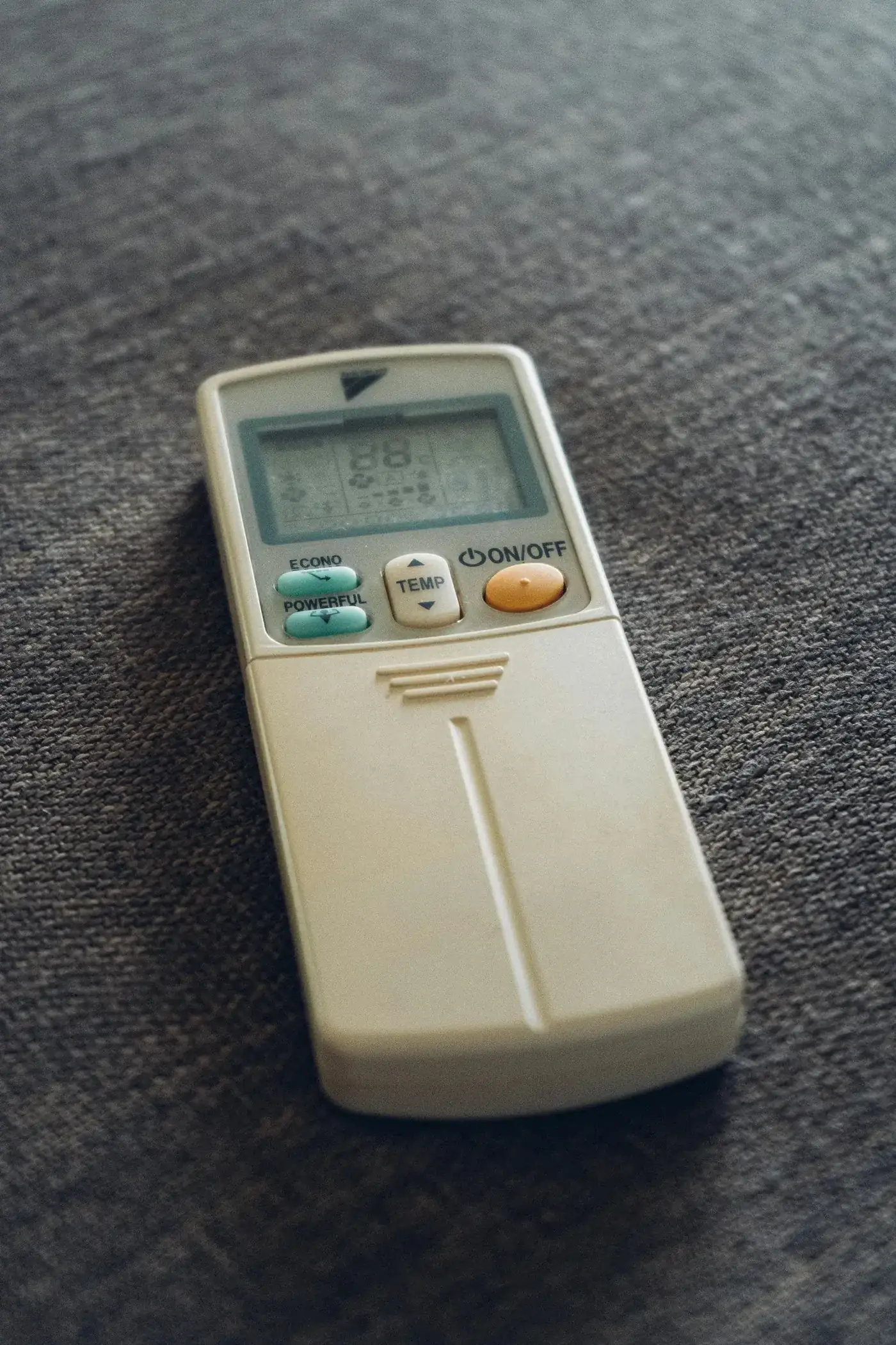
When an AC suddenly shows a code on the indoor display, most buyers do the same thing: switch it off, switch it on again, and hope it disappears.
Sometimes that works. Sometimes it makes no difference. The harder part is that error codes look technical even when the underlying issue is simple. A drain problem, communication fault, fan issue, voltage event, or refrigerant shortage can all appear as a code with no plain-language explanation on the unit itself.
This guide covers the Daikin and LG error codes people in Kerala tend to ask about most often.
Two cautions before the list:
- Codes vary by model and product family. A wall-mounted split, cassette unit, floor-standing system, or VRF indoor unit may not present errors the same way.
- A code is a diagnosis starting point, not the final answer. The same code can have more than one underlying cause.
First: when not to keep restarting the unit
Do not keep resetting the AC repeatedly if:
- there is a burning smell
- the unit is leaking water heavily
- the breaker keeps tripping
- the outdoor unit fan is not running
- the system is making abnormal loud mechanical noise
- the same code returns immediately after reset
In those cases, repeated restart attempts can make the problem worse.
How LG usually shows error codes
LG uses different methods depending on the product type.
According to LG support:
- wall-mounted models may show the code through blinking LEDs
- floor-standing models display
CHplus numbers on the panel - ceiling-mounted models may use blinking sequences or direct display codes
LG also notes that the ThinQ app and Smart Diagnosis can help identify some codes more clearly on supported models.
Common LG error codes
CH04
This is one of the most common practical LG codes in the field.
It usually points to a drainage problem. In plain language, water formed inside the indoor unit is not draining properly.
Common real-world causes:
- choked drain line
- improper drain slope
- high condensate accumulation in very humid weather
- indoor drainage issue after installation or relocation
What to do:
- switch the unit off
- check whether water leakage is already visible
- do not keep using it if water is dripping indoors
If the code returns after reset, the drain path needs inspection.
CH05 or CH53
These usually indicate a communication issue between the indoor and outdoor units.
Possible causes include:
- wiring issue
- power interruption
- unstable supply
- communication fault after installation or relocation
This is a common "the AC powers on but does not behave correctly" type of error. If the system has recently been installed or shifted, installation-side inspection matters.
CH07
This code appears on certain multi-unit or linked LG systems when connected units are running in conflicting modes.
Example:
- one indoor unit is set to cooling
- another connected unit is set to heating
When that happens, the system can refuse the command and throw CH07.
This is more common in shared or linked systems than in ordinary single split units.
CH38 or F4
LG support describes this as a low refrigerant warning.
That does not automatically mean "just refill gas." It means the system believes refrigerant level or related operating condition is outside safe range.
Possible causes:
- refrigerant leak
- installation-side gas shortage after shifting
- electrical event that temporarily triggers the warning
If the code reappears after a proper reset, refrigerant level and piping condition need to be checked. Blindly topping up gas without leak diagnosis is poor practice.
CH54
This is associated with reverse phase detection or electrical supply issues, especially after electrical work or a power event.
This is not a code to ignore. It points the inspection toward supply condition, wiring, or phase-related issues depending on system type.
CH61
This generally means an overheat condition.
On cooling, it often points toward the outdoor side overheating. On heating, it may point toward high indoor temperature inside the unit.
Common field causes:
- outdoor unit installed in a badly ventilated space
- hot air recirculation around the outdoor unit
- severely dirty indoor filter
- restricted airflow
This is one of the reasons outdoor-unit placement matters so much in Kerala.
CH10 or E6
This points toward an indoor fan problem.
Possible causes:
- fan obstruction
- motor issue
- indoor fan not spinning correctly
If airflow is clearly weak or irregular, this code makes sense mechanically.
CH67 or EF
This is the outdoor fan-side equivalent. LG associates it with outdoor fan issues.
That means the outdoor unit should not be ignored. If the fan is not operating properly, continuing to run the system risks higher pressure and overheating.
CH90, CH91, or some F4 cases
These are often seen in test-run or installation-side conditions and can point toward piping or commissioning issues.
If a unit is newly installed or recently relocated and these codes appear, the first suspicion should be installation quality rather than random bad luck.
CH93
LG describes this as a communication problem between the indoor and outdoor units.
This can be linked to:
- unstable supply
- outdoor unit not receiving power
- wiring or communication issue
On some newer models, separate power arrangements between indoor and outdoor units make this especially worth checking properly.
How Daikin usually handles error codes
Daikin's official support structure separates two things:
- how to check the code
- what the code means
Daikin's global after-sales support provides a code-search tool and an official list of error codes. Depending on model family, the code may be read through:
- a wired or infrared remote
- a blinking indicator pattern
- a controller display
On Daikin systems, the same buyer mistake happens often: people see a code and assume every Daikin unit uses the same list. That is not true. Residential split systems, SkyAir, and VRV families do not all behave identically.
Common Daikin codes buyers and technicians run into
A1
Daikin lists A1 as an indoor unit PCB malfunction.
In plain terms, this points to the indoor control board or its logic path.
Possible causes listed in Daikin documentation include:
- defective indoor PCB
- external electrical noise or interference
When buyers in Kerala describe erratic starts, unstable indoor behavior, or repeated board issues after voltage events, this is one of the codes that matters.
A3
Daikin lists A3 as a drain level control system abnormality.
Typical causes include:
- drain clogging
- wrong drain slope
- defective drain pump
- float switch issue
This is one of the most practical field codes because it often lines up with real water-leak complaints.
A6
Daikin lists A6 as a fan motor malfunction.
Possible causes include:
- broken or disconnected fan-motor wiring
- defective fan motor
- PCB-side issue
If the indoor unit runs but airflow is poor or inconsistent, this code is highly relevant.
C9
Daikin lists C9 as a suction air thermistor malfunction.
That sounds technical, but the underlying issue is usually around the temperature-sensing circuit on the indoor side:
- defective thermistor
- connector issue
- indoor PCB fault
This is a classic example of a code that almost always needs proper service diagnosis rather than guesswork.
E3
Daikin lists E3 as high-pressure switch actuation.
Common causes in the official list include:
- dirty outdoor heat exchanger
- clogged refrigerant piping
- high-pressure switch issue
In real field conditions, this often connects back to airflow and outdoor-unit condition. A choked condenser coil in Kerala heat is a completely believable trigger.
U0
Daikin lists U0 as shortage of refrigerant.
The official list also notes refrigerant clogging or wrong piping as possibilities.
This is important because many buyers hear "gas problem" and immediately assume a simple refill is enough. It may not be. Leak diagnosis and piping verification still matter.
U2
Daikin lists U2 as power supply malfunction or instantaneous power failure.
That makes this one especially relevant in places with power fluctuation or supply instability.
Possible causes listed include:
- abnormal supply voltage
- instantaneous power failure
- main circuit wiring issue
This is one reason voltage condition cannot be treated casually in Kerala AC ownership.
U4
Daikin lists U4 as a transmission malfunction between indoor and outdoor units.
Possible causes include:
- short circuit or wrong wiring in transmission lines
- outdoor unit power supply off
- address mismatch
- indoor or outdoor PCB issue
If a Daikin system has been recently installed, rewired, or serviced and starts throwing U4, installation-side checking is important.
L5
Daikin lists L5 as inverter instantaneous overcurrent (DC output).
Possible causes include:
- defective compressor coil
- compressor startup failure or mechanical lock
- inverter PCB problem
This is not a casual reset-and-ignore code. It points toward a heavier electrical or compressor-side problem.
When customers in Kerala bring recurring codes to HRS, our authorised Daikin and Carrier technicians lead with diagnosis, not parts replacement. A code is a clue, and treating it as the final answer is how the same fault returns three weeks later.
What homeowners can reasonably do themselves
There are only a few safe first checks:
- clean the indoor filter if it is clearly dirty
- check whether the outdoor unit is blocked or boxed into a hot corner
- look for visible water leakage
- perform one proper power reset
- note the exact code before switching the system off
That last step matters. Many service calls get harder because the buyer says, "some code came and disappeared."
What not to do
Do not:
- keep restarting the unit repeatedly
- assume every "gas" code means refill gas and move on
- open the electrical section yourself
- continue running the system with fan or high-pressure-related faults
- ignore recurring communication codes after installation
The practical way to use an error code
An error code is useful if it helps answer three questions:
- Is this likely drainage, airflow, electrical, communication, refrigerant, or board-related?
- Is a reset reasonable once, or is the code already pointing toward service?
- Did the issue start after installation, relocation, voltage fluctuation, or long neglected maintenance?
That is the right way to think about it.
If the same code returns after a proper reset, the job is no longer guesswork. It is a service call.
Need a Daikin or LG error code diagnosed properly? Hitech Refrigeration Services (HRS) is an authorised service partner for Daikin and Carrier with 25+ years of field experience and ISO 9001:2015 / ISO 45001:2018 certified processes. Our engineers cover all 14 districts of Kerala with same-day response, genuine OEM parts, and proper leak/piping diagnosis instead of casual gas refills. Request a quote or contact our team — bring us the exact code and the system history, and we will tell you whether it is a reset, a part, or a deeper fault.
Why This Matters To HRS
Where HRS adds value after the brand name on the unit
Error codes, stabiliser advice, and parts knowledge only help when there is a credible service path behind them. HRS follows authorised-service workflows, trained diagnostics, and brand-aware repair decisions instead of trial-and-error service calls.
Related Service
Authorised Warranty & Brand ServiceNeed expert HVAC help?
Contact our team for professional installation, maintenance, or a custom consultation.