31 January 2026
AC Tonnage vs HP: What Buyers in Kerala Keep Mixing Up
Why AC tonnage and horsepower are not the same thing, why the confusion happens so often in India, and what buyers in Kerala should actually focus on before choosing a unit.
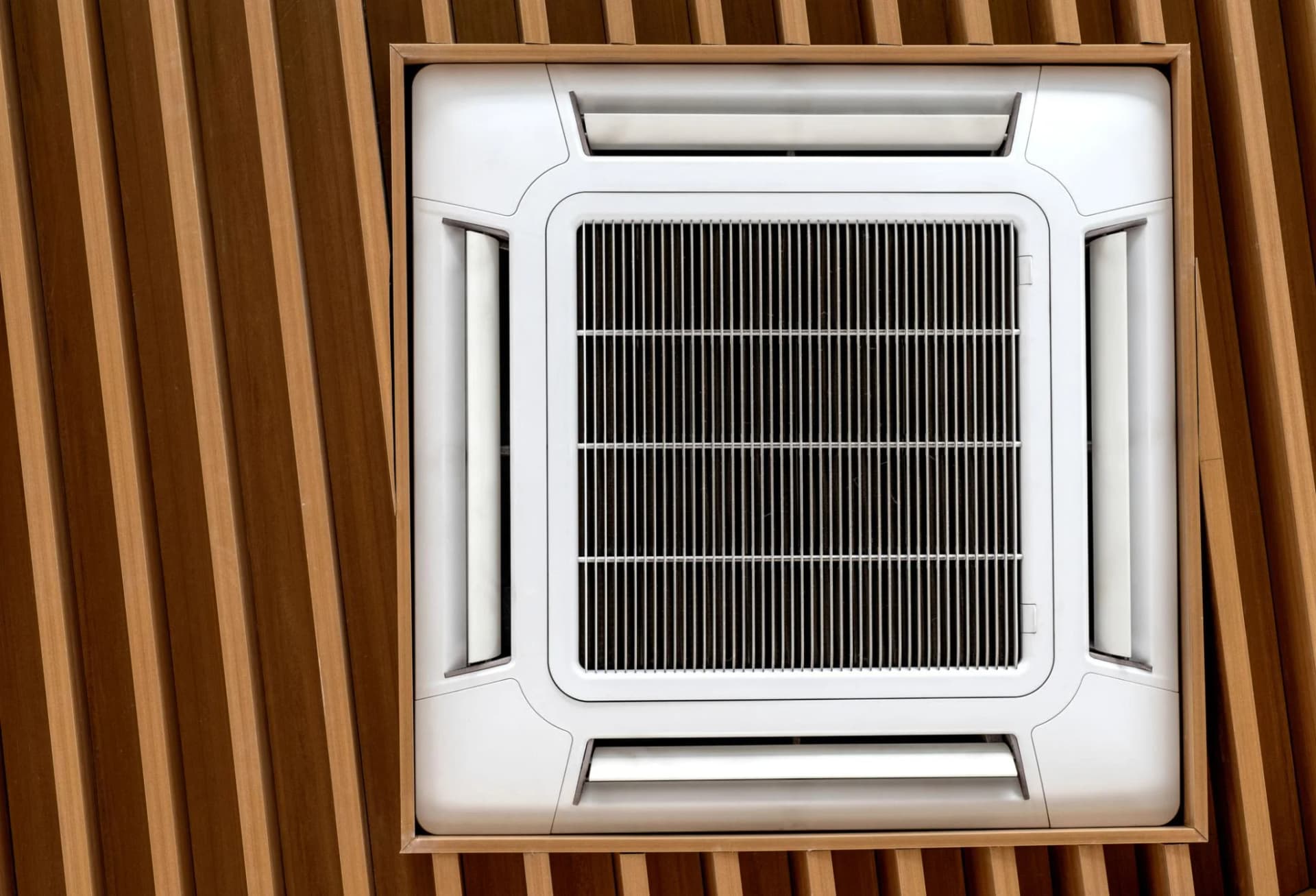
Many AC buyers in Kerala use tonnage and horsepower as if they mean the same thing. They do not.
This confusion is common in showrooms, online listings, resale conversations, and even among technicians who have picked up old market language without explaining it clearly. A buyer asks for a "1.5 HP AC" when what they really mean is a certain cooling size. Another compares a 2 HP model from one brand with a 1.5 ton model from another and assumes the labels can be matched directly.
That is where the confusion begins.
Tonnage and HP measure different things
Tonnage is a cooling-capacity measure.
It tells you how much heat the AC can remove from the room. In practical market language:
1 tonAC is roughly12,000 BTU/h1.5 tonAC is roughly18,000 BTU/h2 tonAC is roughly24,000 BTU/h
This is the number most buyers should care about first, because it relates directly to room size, heat load, and comfort.
HP, or horsepower, refers to motor power.
In AC discussions, HP is usually used loosely to refer to compressor or motor power. It is not the same as cooling capacity. A machine can have a certain motor power and still deliver a different cooling output depending on design, compressor type, refrigerant circuit, heat exchanger efficiency, and operating conditions.
So if tonnage answers the question, "How much cooling can this AC deliver?", HP is closer to, "What is the power of the motor or compressor driving part of the system?"
Those are not the same question.
Why the confusion is so common in India
There are a few reasons:
1. Older market habits
Older buyers and some dealers still use HP because fan motors, pumps, and older machinery were often discussed that way. That language carried over into AC buying even when tonnage became the more useful number for room-cooling decisions.
2. Product listings are inconsistent
Some listings mention tonnage clearly. Others mention HP. Some mention both. Some online listings mix the terms casually without explaining them.
That encourages buyers to assume they are interchangeable.
3. Split AC buying is often simplified too much
Instead of explaining cooling load properly, many sellers reduce everything to shortcut language:
- small room = 1 ton
- medium room = 1.5 ton
- big room = 2 ton
In those conversations, HP gets thrown in as if it is another version of the same label.
What buyers should focus on first
If you are choosing an AC for a room, office, clinic, or shop, the first thing to focus on is cooling capacity, not horsepower.
That means asking:
- what tonnage is right for this space?
- how much sun exposure does the room get?
- what is the ceiling height?
- how many people usually occupy it?
- is the space residential or commercial?
- does humidity control matter more than quick temperature pull-down?
These questions influence the correct tonnage recommendation.
HP does not replace that process.
A simple example
Suppose two buyers are each comparing ACs for a bedroom in Kerala.
One asks for a 1.5 HP unit because that is what someone at home suggested.
The other asks for a proper sizing recommendation based on:
- room size
- west-facing wall exposure
- top-floor slab heat
- daily occupancy
- usage at night versus daytime
The second buyer is far more likely to get the right AC.
That is because cooling comfort depends on correct capacity for the real load, not on a vague motor-power label.
Why wrong interpretation leads to bad buying decisions
When buyers mix up HP and tonnage, they often make one of these mistakes:
They buy an undersized unit
The AC runs continuously, struggles in the afternoon, and leaves the room humid.
They buy an oversized unit
The room cools quickly but the unit short-cycles, dehumidifies poorly, and wastes energy.
They compare the wrong products
They assume labels across brands mean the same thing when the actual cooling capacity and system behavior differ.
They ignore installation and system type
Even the correct tonnage can perform badly if the installation is poor or the system type is wrong for the room.
Does HP matter at all?
Yes, but not in the way most buyers think.
HP matters more in technical design, compressor selection, and equipment engineering context. It can be relevant for internal product comparison, motor sizing, and certain technical discussions.
But for the average buyer choosing AC for a room, tonnage is the more useful first-level decision metric.
That still does not mean tonnage alone is enough. It just means HP is not the right shortcut for cooling-size selection.
What HRS usually advises
When a buyer asks, "Should I take 1.5 HP or 1.5 ton?", the better answer is usually:
"Let's first identify the correct cooling load for the room."
That avoids the wrong discussion entirely.
For most residential and light-commercial selections, HRS looks first at:
- room dimensions
- heat gain
- sun direction
- occupancy
- usage duration
- electrical condition
- installation feasibility
Only then does brand and model selection make sense.
The short version
If you want a simple rule:
- Tonnage = cooling capacity
- HP = motor/compressor power
They are related only indirectly. They are not the same label and should not be treated as interchangeable.
When buying an AC in Kerala, start with the right cooling capacity for the actual room. That decision matters far more than trying to decode HP from a listing or a sales pitch.
Why This Matters To HRS
How HRS turns this into a better AC decision
Home AC decisions work better when the room is sized properly, heat gain is checked, and the equipment is matched to the way the space is actually used. That is the level HRS brings to residential AC work.
Related Service
Residential Air Conditioning SolutionsNeed expert HVAC help?
Contact our team for professional installation, maintenance, or a custom consultation.